What is the market cap of all cryptocurrencies
Let’s quickly calculate the market cap of Bitcoin as an example. The Bitcoin price is currently $ 102,997 and there are 19.86 million BTC coins in circulation https://casino-888.org. If we use the formula from above, we multiply the two numbers and arrive at a market cap of 2,045.90 billion.
The very first cryptocurrency was Bitcoin. Since it is open source, it is possible for other people to use the majority of the code, make a few changes and then launch their own separate currency. Many people have done exactly this. Some of these coins are very similar to Bitcoin, with just one or two amended features (such as Litecoin), while others are very different, with varying models of security, issuance and governance. However, they all share the same moniker — every coin issued after Bitcoin is considered to be an altcoin.
In order to send and receive a cryptocurrency, you need a cryptocurrency wallet. A cryptocurrency wallet is software that manages private and public keys. In the case of Bitcoin, as long as you control the private key necessary to transact with your BTC, you can send your BTC to anyone in the world for any reason.
Almost. We have a process that we use to verify assets. Once verified, we create a coin description page like this. The world of crypto now contains many coins and tokens that we feel unable to verify. In those situations, our Dexscan product lists them automatically by taking on-chain data for newly created smart contracts. We do not cover every chain, but at the time of writing we track the top 70 crypto chains, which means that we list more than 97% of all tokens.
These crypto coins have their own blockchains which use proof of work mining or proof of stake in some form. They are listed with the largest coin by market capitalization first and then in descending order. To reorder the list, just click on one of the column headers, for example, 7d, and the list will be reordered to show the highest or lowest coins first.
Are all cryptocurrencies based on blockchain
Bitcoin was the first cryptocurrency to see the light of day, back in 2009. But it wasn’t the cryptocurrency alone that prompted such international interest. Many believe that the more important novelty was Bitcoin’s underlying blockchain technology. Introducing decentralized peer-to-peer blockchains, the technology took the world by storm. For a few years, blockchain ledgers were the defining characteristic of any cryptocurrency. But that all changed with the official launch of IOTA.
You might be familiar with spreadsheets or databases. A blockchain is somewhat similar because it is a database where information is entered and stored. The key difference between a traditional database or spreadsheet and a blockchain is how the data is structured and accessed.

Bitcoin was the first cryptocurrency to see the light of day, back in 2009. But it wasn’t the cryptocurrency alone that prompted such international interest. Many believe that the more important novelty was Bitcoin’s underlying blockchain technology. Introducing decentralized peer-to-peer blockchains, the technology took the world by storm. For a few years, blockchain ledgers were the defining characteristic of any cryptocurrency. But that all changed with the official launch of IOTA.
You might be familiar with spreadsheets or databases. A blockchain is somewhat similar because it is a database where information is entered and stored. The key difference between a traditional database or spreadsheet and a blockchain is how the data is structured and accessed.
Case in point: You’ve probably used Uber, Airbnb, or even Amazon. Such digital marketplaces and platforms help us facilitate an exchange of value. But today, we actually have a technology that allows us to trade one to one, but at scale. And it’s called blockchain technology.
Teresa Halvorson is a skilled writer with a passion for financial journalism. Her expertise lies in breaking down complex topics into engaging, easy-to-understand content. With a keen eye for detail, Teresa has successfully covered a range of article categories, including currency exchange rates and foreign exchange rates.
Are all cryptocurrencies mined
“The challenge that comes with mining as a business is that you have the upfront cost of mining equipment plus the constant costs of electricity (for running the equipment 24/7), but you are only rewarded cryptocurrencies if you successfully outcompete others in puzzle solving,” said Benjamin Cole, a cryptocurrency expert and professor at Fordham University’s Gabelli School of Business.
“Overall, mining has become less a game of experimentation and more a capital-intensive business, with economies of scale playing a central role — just as in traditional commodity extraction industries,” Earle added.
While mining is popular for many cryptocurrencies, there are several digital currencies that do not rely on mining. These cryptocurrencies use alternative mechanisms to generate new coins or tokens. Some of the most common alternatives to mining include:
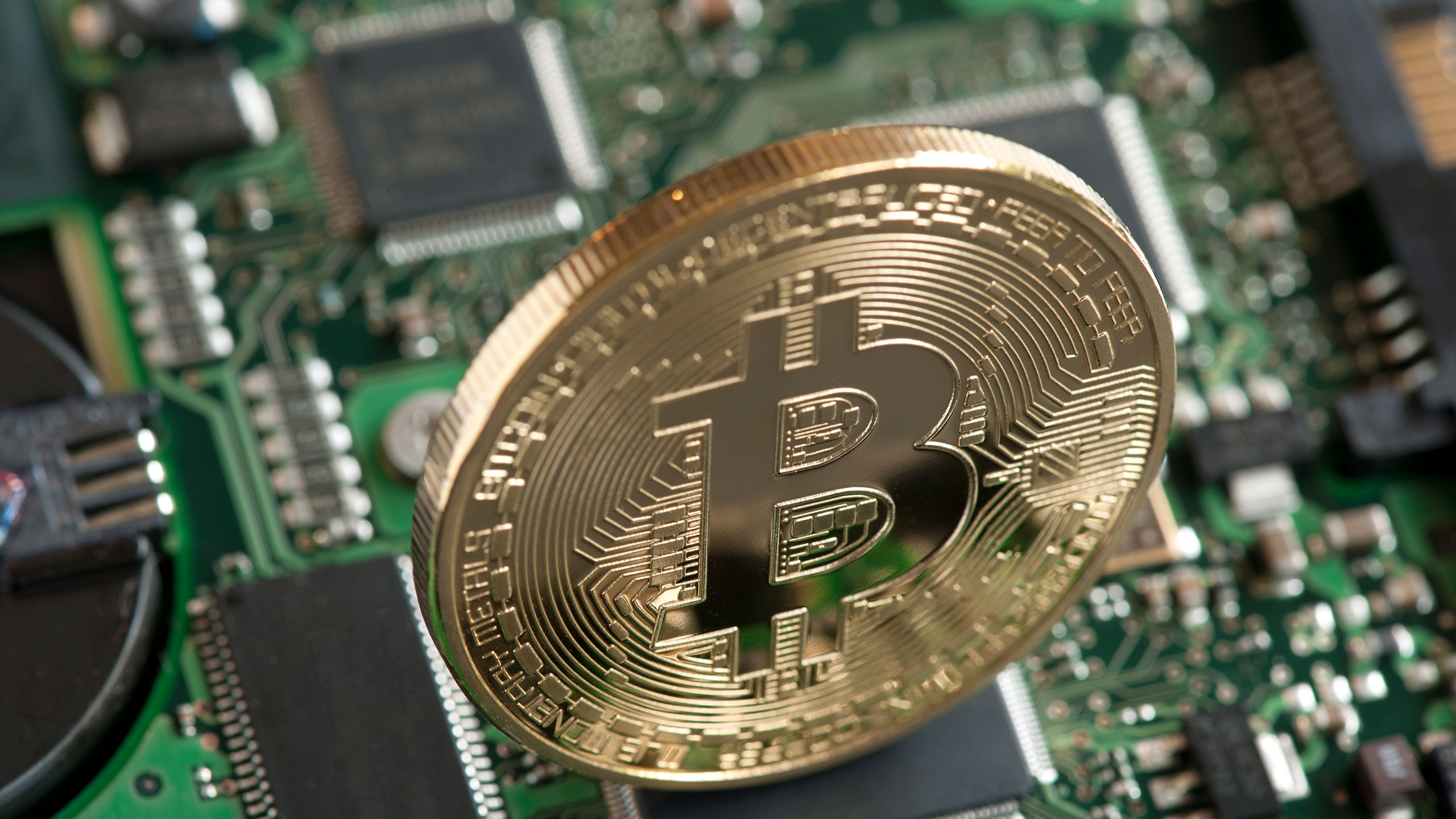
“The challenge that comes with mining as a business is that you have the upfront cost of mining equipment plus the constant costs of electricity (for running the equipment 24/7), but you are only rewarded cryptocurrencies if you successfully outcompete others in puzzle solving,” said Benjamin Cole, a cryptocurrency expert and professor at Fordham University’s Gabelli School of Business.
“Overall, mining has become less a game of experimentation and more a capital-intensive business, with economies of scale playing a central role — just as in traditional commodity extraction industries,” Earle added.
While mining is popular for many cryptocurrencies, there are several digital currencies that do not rely on mining. These cryptocurrencies use alternative mechanisms to generate new coins or tokens. Some of the most common alternatives to mining include: